


GG PDP Content
New York City Signs Horse Carriage Ban Taking Effect June 2028
Guest Contributor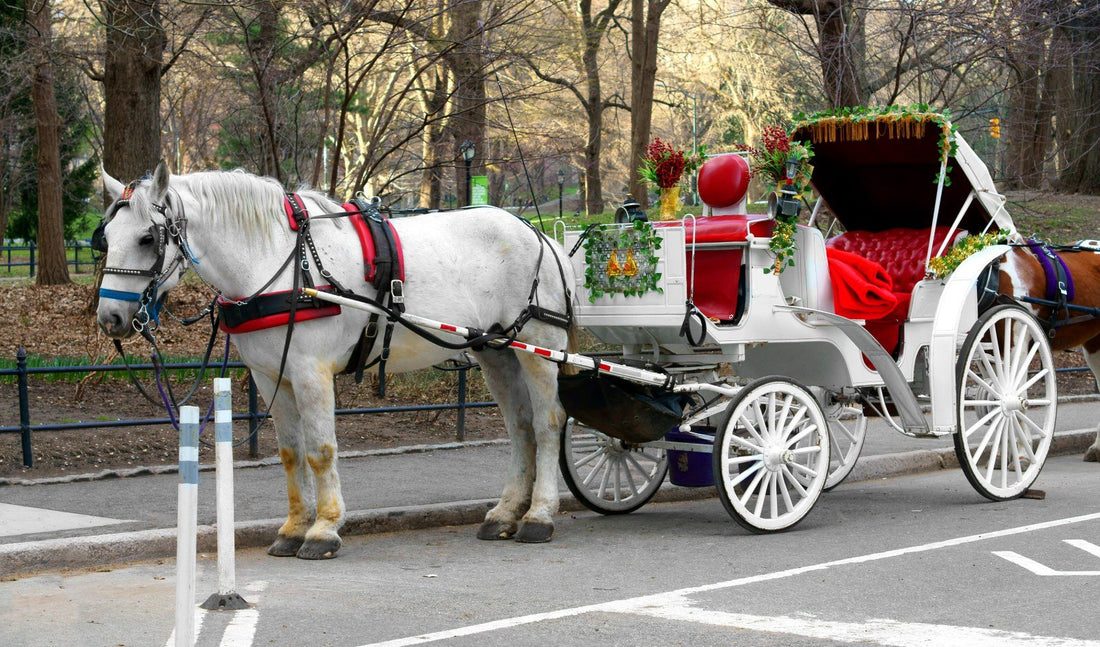
New York City Mayor Zohran Mamdani has signed legislation that will end the city's horse-drawn carriage industry by June 1, 2028, closing a chapter that has been part of Central Park for roughly 150 years. The horse-drawn carriage ban, known as Romanch's Law, was signed Thursday, according to The Guardian.
The law is named after Romanch Mahajan, an 18-year-old tourist from India who was killed in June after being thrown from a carriage in Central Park when a horse became startled. His death gave new urgency to a debate that New York City officials have revisited for nearly two decades.
The city has paired the ban with a transition plan for the roughly 200 workers whose jobs depend on the carriages, along with a study of electric alternatives for the park.
What Romanch's Law means for Central Park
The mayor's office described the measure as landmark legislation in its official announcement. The law ends an industry that has operated in New York City for more than a century and became one of the most recognizable sights in Central Park.
At the signing, Mamdani acknowledged both the history of the carriages and the people who work with them. "For 150 years, horse-drawn carriages have been a fixture of Central Park. Today, we are bringing that chapter to a close," he said. "This industry will come to an end, and we have a responsibility to the workers whose livelihoods depend on it. We will work alongside them to ensure they have the financial support and career opportunities they need to build their next chapter."

City Council Speaker Julie Menin called the legislation a historic milestone. "This is a truly historic day for New York City, nearly two decades after the council first considered ending the horse-drawn carriage industry," she said. Menin also spoke about the young man whose name the law carries: "Today, I'm thinking of Romanch Mahajan, who should still be with us and whose tragic, untimely death reminds us why this legislation was so urgently needed."
A divisive debate over horse welfare and jobs
The ban has drawn sharply different reactions. Workers' unions opposed it over concerns about lost livelihoods for drivers, stable hands and medallion owners who have built their careers around the carriages.
Animal rights activists backed the move, pointing to longstanding concerns about horse welfare, including cases in which carriage horses have died from exhaustion. For these advocates, the law represents the outcome of years of campaigning over the conditions faced by horses working in city traffic and heat.
Menin framed the law as an attempt to address both sides of the issue. "This law will protect the welfare of horses while ensuring that the hard-working New Yorkers who depend on this industry have the support they need to transition to new employment opportunities," she said.
Featured Product
Horseshoe Luck 925 Sterling Silver Horseshoe Ear Cuffs from Thailand
These horseshoe ear cuffs, crafted in sterling silver by a Thai artisan, offer a fresh way for you to wear the lucky horseshoe. They are a thoughtful gift for a fellow horse lover too.
Transition plan for carriage industry workers
On Tuesday, two days before the signing, the Mamdani administration announced a transition plan aimed at supporting about 200 affected workers, including medallion owners, carriage drivers and stable hands. The city said it plans to facilitate medallion buy-backs and provide stipends and career assistance, with a full transition plan due by April 2027.
Officials said the city will establish a Horse Carriage Worker Industry Program offering job training, career counseling, entrepreneurship support, employer connections and tuition assistance. City officials also said they would engage with the Transport Workers Union, which represents carriage industry workers.
Looking ahead, the city will commission a feasibility study examining electric carriages and electric pedal-assist bicycles as potential alternatives inside Central Park, as well as electric carriages along the park's perimeter. The results could shape what replaces one of the park's most familiar attractions once the horses are retired from service.
For travelers who encounter working animals in other cities, animal welfare groups generally advise watching for signs of distress, such as heavy sweating, labored breathing, limping or working in extreme heat, and reporting concerns to local animal control or a humane society. Choosing attractions that follow clear rules on rest, water and weather limits for animals is another widely recommended way to support their well-being.